
Chapter 10: Intercultural Relationships
Learning Objectives
When you have completed this chapter, you should be able to:
-
Identify the benefits and challenges of forming intercultural relationships.
-
Explain the foundations that shape intercultural relationships.
-
Describe and differentiate the types of intercultural relationships.
-
Evaluate what makes intercultural relationships competent or incompetent.
Introduction
Intercultural relationships are an inevitable and essential part of our interconnected world. Whether in friendships, families, classrooms, workplaces, or communities, we frequently form relationships with people whose cultural backgrounds differ from our own. These relationships can be rewarding, offering opportunities to learn new perspectives, share traditions, and expand our sense of identity. At the same time, they may bring challenges, including misunderstandings, cultural differences in communication styles, and the need to confront our own biases and assumptions. Social media environments often accelerate movement up the Ladder of Inference, rewarding quick judgments rather than careful interpretation.
This chapter examines the foundations of intercultural relationships and their development. We will discuss the benefits and challenges of these relationships, the various types, and the qualities that distinguish competent from incompetent relationships. By studying these areas, you will be better equipped to engage across cultures with openness, adaptability, and respect.
Benefits of Intercultural Relationships
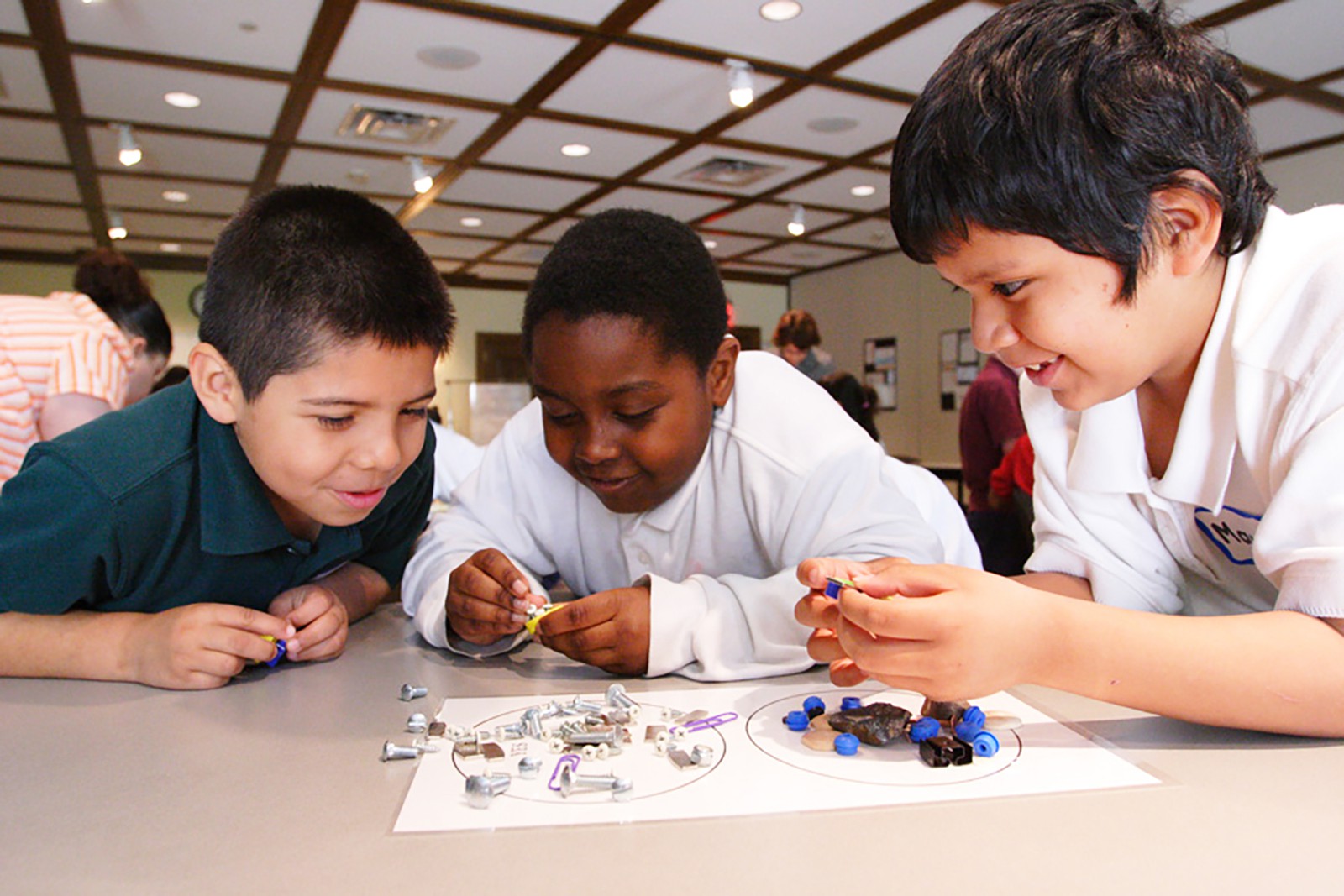
Starting an intercultural relationship is like opening a door to a broader world. Through that connection, you may discover new foods, music, games, or sports. You might pick up words in another language or gain insight into traditions and stories that were previously unfamiliar to you. In many ways, building these relationships gives you a “second history,” as you begin to understand what it means to belong, directly or indirectly, to another cultural group. These experiences can expand your worldview and deepen your appreciation for diversity in everyday life.
Growth in Intercultural Relationships
Forming, maintaining, or even ending an intercultural relationship can be challenging, but these challenges often help us develop valuable skills. According to Docan-Morgan (2015), the skills we use in all relationships are heightened in intercultural ones. Learning to understand another culture can make it easier to relate to people from diverse backgrounds, offering new insights and perspectives that enrich all our relationships. Intercultural relationships can also push us to rethink stereotypes. Martin and Nakayama (2014) note that cultural differences often feel most noticeable at the beginning of a relationship. These differences may seem overwhelming at first, but the key is to look for common ground. Building on shared values and experiences helps both partners strengthen the relationship while respecting each other’s uniqueness.
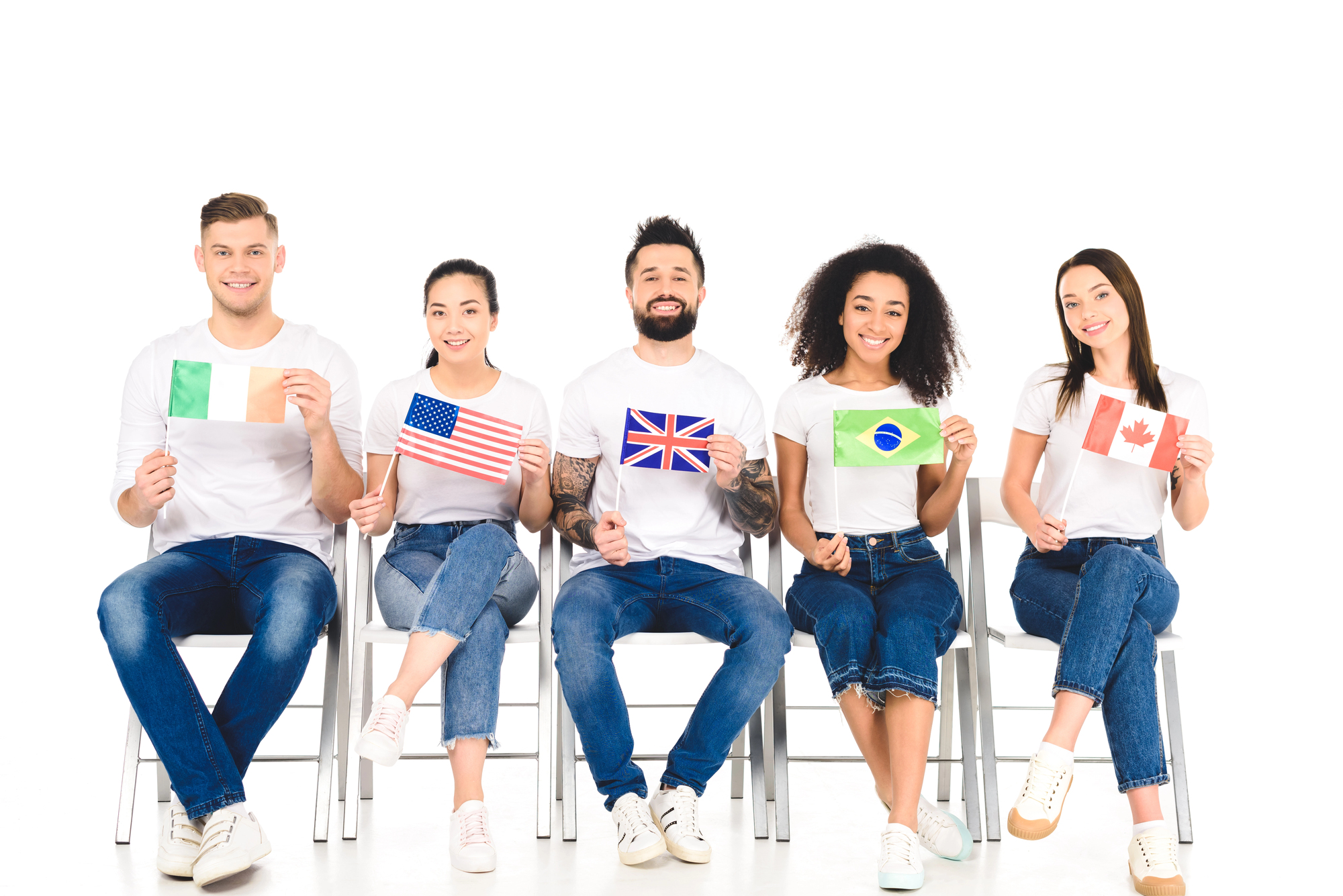
While intercultural relationships can enrich our lives in meaningful ways, they also come with challenges. One of the first hurdles is motivation. Building a relationship across cultural boundaries requires effort, patience, and curiosity. Unlike same-culture relationships, where you may already understand your partner’s rules, behaviors, and worldviews, intercultural relationships often involve learning these dynamics as you go. Another challenge is navigating differences. Intercultural partners may hold different values, interpret situations differently, or prefer different communication styles. These differences can feel daunting in the early stages. However, as trust and common ground develop, many of these differences become less intimidating and can even be a source of strength in the relationship.
Challenges of Intercultural Relationships
While intercultural relationships can enrich our lives in meaningful ways, they also present challenges. The first challenge is motivation. Building a relationship across cultural boundaries requires effort, patience, and curiosity. Unlike same-culture relationships, where the rules and expectations may be familiar, intercultural relationships often involve learning these dynamics as you go.
Second, partners must navigate differences in values, perceptions, and communication styles. Early in a relationship, these differences can feel overwhelming. Over time, however, they often become less daunting and can even strengthen the relationship. Third, negative stereotypes can be a barrier. Stereotypes are powerful, and they take conscious effort to challenge. Pathstone Mental Health (2017) suggests seven ways to reduce stereotyping and discrimination in relationships: know the facts, be aware of your own attitudes and behavior, choose words carefully, educate others, focus on the positive, support people, and include everyone.
Fourth, anxiety or fear is common in the early stages of intercultural relationships. Concerns about offending others, appearing incompetent, or making cultural mistakes can heighten uncertainty, particularly for individuals who have had negative past experiences. Fifth, affirming another person’s cultural identity is crucial. Recognizing and respecting that someone else’s values, beliefs, and behaviors may differ from your own helps counteract ethnocentrism, the tendency to view one’s own culture as the norm and to expect others to adapt to it.
Finally, intercultural relationships often require more explanation than intracultural ones. Clarifying values, beliefs, and behaviors may extend beyond the relationship itself, as families and communities may also raise questions. Expectations for friendships, approval for romantic relationships, and cultural taboos often require discussion and negotiation.

Foundations of Relationships
Every day we meet and interact with new people, yet only a few of those encounters turn into lasting relationships. What draws us to some individuals but not to others? Research suggests that attraction and connection are not mysterious, but instead rooted in several consistent factors.
Exercises
Watch The Art of Cross-Cultural Relationships by Loren Pasquier (TEDxNelson). Pasquier explores how intercultural relationships challenge us to see the world differently and invite us to become more flexible, empathetic, and curious. His talk reinforces the chapter’s point that, while intercultural connections can feel uncomfortable at first, they often become among the most rewarding experiences of our lives.
After watching, what do you think Pasquier means when he says intercultural relationships are “an art”? How does his perspective connect to the challenges and benefits described earlier in this chapter?
If the above activity does not work, here is a link to the original video: The art of cross cultural relationships | Loren Pasquier | TEDxNelson
Same-Culture Relational Foundations
Studies on same-culture relationships have identified several factors that contribute to the development and maintenance of such connections. These include physical attractiveness, similarity, complementarity, proximity, reciprocal liking, and resources (Aron, Lewandowski, Mashek, & Aron, 2008). Physical attractiveness often plays a role, though not always in the stereotypical sense of being exceptionally beautiful or handsome. Familiarity and similarity also shape our perceptions of attractiveness. For instance, people tend to form long-term relationships with partners they see as roughly equal in attractiveness (Feingold, 1988; White, 1980).
Similarity extends beyond looks; it also includes shared personalities, values, and preferences. The common phrase “birds of a feather flock together” is supported by research showing that people are generally drawn to those they perceive as similar to themselves (Miller, 2014). One explanation is that similarity reduces uncertainty and makes others feel more predictable and comfortable to interact with (Berger & Calabrese, 1975). In addition, similarity in values and preferences is a strong predictor of relationship satisfaction (Markey & Markey, 2007).
Intercultural Relational Foundations
While the factors above help explain relationships within a shared cultural context, newer research has explored how intercultural relationships form and grow. For example, Chen (2006) found that East Asian international students often formed cross-cultural friendships by navigating similarities and differences with openness and patience. Likewise, Sias et al. (2008) studied intercultural friendships. They found that while initial barriers, such as stereotypes or communication differences, can make relationships challenging, these relationships often become sources of deep cultural learning and personal growth over time.
Taken together, these studies suggest that the foundations of relationships are both universal and culturally specific. People may be drawn to each other for similar reasons across contexts—such as attraction or shared values—but the ways these factors are expressed and negotiated can vary significantly in intercultural settings.

Other Relational Foundations
Another familiar saying is that “opposites attract.” The idea of complementarity—being drawn to people who are different from us- has been debated for decades. Sociologist Robert Winch argued in the 1950s that people are naturally attracted to differences because opposites provide excitement and a sense of completion (Winch, 1958). However, more recent research suggests otherwise. Markey and Markey (2007) found that, in most situations, people prefer relationships with others who are similar to themselves. Likewise, Ickes (1999) noted that most individuals have limited patience or motivation for dealing with those who are very unlike them. While opposites may spark curiosity at first, similarity seems to provide a stronger foundation for lasting connections.
Proximity, or simply being near others regularly, is another powerful influence on relationship development. People tend to form stronger relationships with those they encounter frequently, such as in a classroom, workplace, or neighborhood, rather than with those they rarely see. Familiarity breeds comfort, and comfort often builds connection. Reciprocal liking is another foundational factor. Put simply, we tend to be attracted to people who like us. Aron et al. (2008) note that knowing someone is interested in us can spark attraction in return. Research on love stories shows that reciprocal liking is often cited as one of the most common reasons people fall in love (Riela, Rodriguez, Aron, Xu, & Acevedo, 2010).
Finally, resources play a role in attraction. Resources do not necessarily mean money or material possessions, but rather qualities such as humor, intelligence, kindness, and emotional support (Felmlee, Byers, & Furman, 2010). Kelley and Thibaut’s (1978) social exchange theory suggests that people are drawn to those who offer high rewards, which are things we value, and relatively low costs, which are things that require effort or sacrifice. In other words, attraction often stems from believing that a person brings benefits that outweigh the challenges of being with them.

Interculturally Focused Research Findings on Relational Foundations
The relational foundations discussed above apply to all relationships; however, intercultural relationships introduce an additional layer of complexity. Perceived similarity remains a starting point, yet difference is the defining feature of intercultural friendships and romances (Chen, 2002). Partners may share common interests, but those interests must often be negotiated across cultural perspectives. For example, two people may both share a love for music. Still, they may need to bridge understandings about whether house, techno pop, electro swing, and nu-disco fall into the same category, or how those genres are valued within their respective cultures.
Recent studies, many conducted with international college students, highlight several unique foundations for developing intercultural relationships. Kudo and Simkin (2003), in a study of Australian students, found that interest in other cultures and empathy were key factors. Lee (2006) identified the creation of a shared identity as another essential foundation, while other research suggests that prior intercultural experience, such as study abroad or living in diverse environments, can motivate people to pursue intercultural friendships and romances (Sias, Drzewiecka, Meares, Bent, Konomi, Ortega, & White, 2008).
Scholars also caution that communication may function differently across cultures during relationship development. Gareis (2000) noted that differences in cultural conceptualizations of relationship types can lead to misunderstandings, while Chuang (2003) and Collier (2000; Collier et al., 2002) warn against oversimplified attempts to categorize relationships by culture. Together, these studies suggest that while foundational factors, such as similarity, proximity, and reciprocal liking, remain central, intercultural relationships also require additional skills, including empathy, negotiation of meaning, and flexibility in defining what a relationship entails.

Common Types of Intercultural Relationships
While scholars debate the challenges of researching intercultural relationships, this book assumes that such relationships do, in fact, develop, and even an imperfect framework gives us a helpful starting point. It is important to remember that the unique mix of cultures and individuals involved shapes every intercultural relationship. With that in mind, the following sections explore several common types of intercultural relationships and their communication dynamics.
Friendships
Friendship is one of the most meaningful forms of interpersonal relationships, spanning from childhood through late adulthood (Rawlins, 1992). What sets friendship apart from other relational types is its voluntary nature: people are free to begin, maintain, or end friendships without the same obligations that often shape family or professional relationships (Fischer, 1975). Cultural values strongly influence how friendships are defined and practiced. In more individualistic cultures, friendships are often formed spontaneously and may be linked to personal goals, such as learning a new language, pursuing a hobby, or networking (Wahl & Scholl, 2014). By contrast, collectivist cultures tend to view friendship as a long-term obligation that involves mutual responsibilities, such as assisting with significant life needs, including travel, housing, or career connections.
Even the very concept of “friend” differs across cultures. In the United States, the term is broad and may include acquaintances, casual companions, and close confidants. In many Eastern European contexts, however, “friend” refers only to a deeper, long-term relationship that Americans would more likely label a “close friend” (Martin & Nakayama, 2014). Americans are often seen by others as forming relationships quickly, sometimes appearing informal or even superficial (Triandis, 1995). By contrast, Asian cultures usually emphasize sincerity, spirituality, indirect communication, and long-term social harmony in friendships (Barnlund, 1989; Yum, 1988).
Despite these differences, research suggests that across cultures, close friendships share core characteristics: mutual enjoyment, trust, nonjudgmental support, and a sense of independence, along with shared interests and compatible personality traits (Lee, 2006).

Intercultural Friendships
Intercultural friendships can be challenging to initiate, develop, and maintain, but that does not mean that different cultures lack common ground. Many cultures share values such as honesty and trustworthiness, though they may prioritize them differently (Barnlund, 1989). Research highlights a wide range of factors that influence the formation of intercultural friendships, including values, interests, personality traits, network patterns, communication styles, cultural knowledge, relational competence, and intergroup attitudes (Aberson, Shoemaker, & Tomolillo, 2004; Collier & Mahoney, 1996; Gareis, 1995; Gudykunst & Nishida, 1979; McDermott, 1992; Olaniran, 1996; Yamaguchi & Wiseman, 2003; Zimmermann, 1995). When friendships cross national boundaries, language barriers often require greater time and effort to build mutual understanding. With sufficient motivation and language skills, self-disclosure—sharing personal thoughts, feelings, and experiences—can play an important role in relationship development. Research indicates that intercultural friendships often vary in both the topics and depth of self-disclosure, but that disclosure typically deepens and broadens as the friendship progresses (Chen & Nakazawa, 2009).
As initial challenges are overcome and self-disclosure increases, intercultural friendships often become more intimate, allowing partners to move beyond cultural differences and focus on maintaining the relationship. In this sense, intercultural friendships can be just as strong and enduring as intracultural ones (Lee, 2006). That said, self-disclosure itself is culturally situated. While it is often emphasized in Western contexts, Barnlund (1989) observed that traditional Japanese friendships seldom involve intimate self-disclosure, suggesting that the role of sharing personal information may not be the same across cultures.
Interestingly, some research suggests that cultural differences can actually enhance friendship development rather than hinder it. Sias et al. (2008) found that many participants considered their cultural differences exciting and enriching. Even language differences sometimes strengthened bonds: friends often developed unique, hybrid vocabularies that blended elements of both languages, such as “Spanglish” (a blend of Spanish and English) or “Chinglish” (a blend of Chinese and English). These idiosyncratic codes became part of the friends’ shared identity, reinforcing their connection (Sias et al., 2008; Casmir, 1999; Imahori & Cupach, 2005).

Romantic Relationships
Romantic relationships, like friendships, are shaped by both cultural similarities and differences. When partners from different cultural backgrounds come together, they may face unique challenges. Yet, it is essential to remember that, as with any relationship, no two intercultural romantic relationships are the same. Generally, romantic relationships are considered “voluntary,” and across cultures, partners often emphasize openness, mutual involvement, shared nonverbal meanings, and ongoing assessment of the relationship (Martin & Nakayama, 2014).
Cultural orientations toward individualism and collectivism strongly influence romantic expectations. In individualistic cultures such as the United States, togetherness is valued but often balanced against the importance of individual autonomy. Physical attraction, passion, and love are typical initiators of relationships in these contexts. Maintenance strategies typically involve open communication, “talking things out,” and ensuring that both partners maintain a strong sense of self. In collectivistic cultures, values such as acceptance, harmony, and “fitting in” often carry more weight in romantic relationships. Family approval, in particular, can significantly influence whether a relationship flourishes or ends. In these contexts, individuals are expected to align with and uphold family values, beliefs, and hierarchies. While personal happiness remains essential, it is often seen as achievable only within the family system’s support and approval.
Globally, intercultural marriages and romantic partnerships are on the rise. What may once have seemed unusual or exotic is now more widely accepted and commonplace (Fu, Tora, & Kendall, 2001). However, even as such relationships become more common, navigating cultural expectations, values, and potential family pressures remains a complex process for many couples.

Romantic Relationship Conflict Styles
Romano (2008) identified four distinct conflict styles that intercultural couples often use to navigate differences.
The submission style is the most common and occurs when one partner yields to the other partner’s cultural preferences. Sometimes this dynamic is more visible in public, while the relationship may appear more balanced in private. Despite its prevalence, submission is rarely sustainable because it often requires one partner to deny or suppress aspects of their own cultural identity.
The compromise style involves each partner giving up certain habits, values, or traditions to accommodate the other. While this approach might sound fair, it typically results in both partners feeling some degree of loss. Game theorists refer to this as a lose-lose or no-win situation.
In the obliteration style, both partners attempt to erase or abandon their original cultures and create an entirely new “culture” together, complete with new beliefs, values, and behaviors. While this strategy may seem innovative, it can be challenging to sustain and may strain relationships with extended family. Obliteration is more likely when couples live in a country that is “home” to neither of them.
The most constructive approach is the consensus style. Unlike compromise, consensus relies on negotiation and mutual agreement so that neither partner must entirely abandon their cultural identity. Instead, both partners seek creative ways to integrate their values and practices, resulting in a mutually beneficial outcome.
In a survey of intercultural marriages, Prokopchak (1994) found several key cautions to keep in mind when navigating conflict:
-
Learn about each other’s cultures rather than assuming all families and traditions operate the same way.
-
Be accountable by listening carefully and weighing the concerns of both partners.
-
Recognize and respect what each culture values, while keeping people—not things—at the center of the relationship.
-
Distinguish between adaptation and core value changes, and clearly identify which adjustments are negotiable and which are not.

Communicating in Intercultural Relationships
Intercultural relationships present challenges that necessitate explanation, negotiation, and patience. All relationships require work, but intercultural ones demand a special kind of attention because of cultural differences. Communication is the foundation of these relationships. Misinterpretations can lead to misunderstandings, uncertainty, frustration, and conflict; however, they can also bring rewards, including greater cultural knowledge, a broader worldview, and opportunities to challenge stereotypes (Sias et al., 2008).
Types of Intercultural Communication Competence
Communication scholars often use the concept of competence to describe skillful interaction across cultures. Owen Hargie (2011) proposed four levels of intercultural communication competence:
-
Unconscious incompetence: The “just be yourself” approach. The person is unaware of cultural differences or the possibility that their communication may be ineffective.
-
Conscious incompetence: The individual recognizes that problems exist and has the vocabulary to describe them, but still struggles to apply effective strategies.
-
Conscious competence: The communicator actively works to adapt their behavior, knowing they are engaging effectively and intentionally building positive experiences.
-
Unconscious competence: The highest level, where effective communication has become second nature, and the individual interacts skillfully without deliberate effort.
The goal is not perfection, but progress: developing the ability to move from awkward attempts at intercultural communication to more natural, adaptive interaction.
Case Check: “Different Definitions of Support”
Two friends experience stress differently. One wants advice and solutions. The other wants quiet companionship. Each feels the other is unsupportive.
Reflection Questions
-
How do cultural expectations shape emotional support?
-
Why do good intentions still lead to conflict?
-
How can intercultural competence strengthen relationships?
Conclusion
This chapter has explored the benefits and challenges of intercultural relationships, as well as the cultural patterns that influence their development. We also examined foundations of attraction, types of intercultural friendships and romantic relationships, and the role of communication competence. While research on intercultural relationships remains limited, what we do know highlights the balance of differences and similarities, as well as how people negotiate them within their cultural and societal contexts. At their best, intercultural relationships expand horizons, challenge assumptions, and enrich our personal and social lives. Success depends less on eliminating differences and more on embracing them, finding ways to affirm each partner’s identity while building meaningful common ground. Intercultural relationships bring together identity, communication styles, power, and competence over time. The skills discussed in earlier chapters become especially visible here, as relationships require ongoing negotiation rather than one-time understanding.
Key Terms
-
Motivation
-
Anxiety
-
Physical Attractiveness
-
Similarity
-
Complementarity
-
Proximity
-
Reciprocal Liking
-
Resources
-
Negative Stereotypes
-
Need for Explanations
-
Affirming Another Person’s Identity
-
Difference
-
Turning Point
-
Submission
-
Compromise
-
Obliteration
-
Consensus
-
Conscious Incompetence
-
Unconscious Incompetence
-
Conscious Competence
-
Unconscious Competence
Reflection Questions
-
Many intercultural communication specialists emphasize the importance of open-mindedness in building successful intercultural relationships. What other qualities do you think are important?
-
In your own intercultural or co-cultural relationships, what communication strategies do you use to reduce uncertainty?
-
Research suggests that nearly 75% of intercultural marriages end in divorce. Why do you think this is? Would you consider a person from another culture as a potential partner? Why or why not?
-
Think about the quote: “Without others, there is no self.” How do your friends and family shape your sense of self? Would an intercultural friend or partner change your answer?
-
Many same-culture relationships are maintained through smartphones, texting, and social media. Can these same tools help maintain intercultural relationships? In what ways might the strategies be similar or different?
References
- Docan-Morgan, T. (2015). Intercultural relationships: Examining communication of close cross-cultural relationships. Routledge.
- Martin, J. N., & Nakayama, T. K. (2014). Experiencing intercultural communication: An introduction (5th ed.). McGraw-Hill Education.
- Pathstone Mental Health. (2017). 7 things you can do to reduce stereotypes and discrimination. Retrieved from https://pathstonementalhealth.ca
- Aron, A., Lewandowski, G. W., Mashek, D., & Aron, E. N. (2008). The self-expansion model of motivation and cognition in close relationships. In J. P. Forgas & J. Fitness (Eds.), Social relationships: Cognitive, affective, and motivational processes (pp. 79–96). Psychology Press.
- Berger, C. R., & Calabrese, R. J. (1975). Some explorations in initial interaction and beyond: Toward a developmental theory of interpersonal communication. Human Communication Research, 1(2), 99–112. https://doi.org/10.1111/j.1468-2958.1975.tb00258.x
- Chen, Y. (2006). Intercultural friendship from the perspectives of East Asian international students. China Media Research, 2(3), 43–58.
- Feingold, A. (1988). Matching for attractiveness in romantic partners and same-sex friends: A meta-analysis and theoretical critique. Psychological Bulletin, 104(2), 226–235. https://doi.org/10.1037/0033-2909.104.2.226
- Markey, P. M., & Markey, C. N. (2007). Romantic ideals, romantic obtainment, and relationship experiences: The complementarity of interpersonal traits among romantic partners. Journal of Social and Personal Relationships, 24(4), 517–533. https://doi.org/10.1177/0265407507079241
- Miller, G. F. (2014). The mating mind: How sexual choice shaped the evolution of human nature. Anchor.
- Sias, P. M., Drzewiecka, J. A., Meares, M., Bent, R., Konomi, Y., Ortega, M., & White, C. (2008). Intercultural friendship development. Communication Reports, 21(1), 1–13. https://doi.org/10.1080/08934210701643750
- White, G. L. (1980). Physical attractiveness and courtship progress. Journal of Personality and Social Psychology, 39(4), 660–668. https://doi.org/10.1037/0022-3514.39.4.660
- Aberson, C. L., Shoemaker, C., & Tomolillo, C. (2004). Implicit bias and contact: The role of interethnic friendships. Journal of Social Psychology, 144(3), 335–347. https://doi.org/10.3200/SOCP.144.3.335-347
- Aron, A., Steele, J. L., Kashdan, T. B., & Perez, M. (2008). When similars do not attract: Tests of a prediction from the self-expansion model. Personal Relationships, 15(4), 493–509. https://doi.org/10.1111/j.1475-6811.2008.00211.x
- Barnlund, D. C. (1989). Communicative styles of Japanese and Americans: Images and realities. Wadsworth.
- Berger, C. R., & Calabrese, R. J. (1975). Some explorations in initial interaction and beyond: Toward a developmental theory of interpersonal communication. Human Communication Research, 1(2), 99–112. https://doi.org/10.1111/j.1468-2958.1975.tb00258.x
- Casmir, F. L. (1999). Foundations for the study of intercultural communication. In M. K. Asante & J. E. Min (Eds.), Handbook of intercultural communication (pp. 53–87). Sage.
- Chen, G. M. (2002). The impact of intercultural sensitivity on ethnocentrism and intercultural communication competence. Human Communication, 5(1), 1–15.
- Chen, G. M., & Nakazawa, M. (2009). Influences of culture on self-disclosure as relational communication. In L. A. Samovar, R. E. Porter, & E. R. McDaniel (Eds.), Intercultural communication: A reader (12th ed., pp. 212–222). Wadsworth Cengage.
- Collier, M. J. (2000). Generating intercultural dialogue: Beginnings and endings. International Journal of Intercultural Relations, 24(5), 569–581. https://doi.org/10.1016/S0147-1767(00)00020-6
- Collier, M. J., & Mahoney, H. (1996). Value of cultural identity for intercultural communication. In H. B. Mokros (Ed.), Interactions in interpersonal communication (pp. 77–98). SAGE.
- Collier, M. J., Ribeau, S., & Hecht, M. (2002). Intercultural communication competence. SAGE.
- Felmlee, D., Sprecher, S., & Bassin, E. (2010). The dissolution of intimate relationships: A hazard model. Social Psychology Quarterly, 63(1), 13–30. https://doi.org/10.2307/2695872
- Feingold, A. (1988). Matching for attractiveness in romantic partners and same-sex friends: A meta-analysis and theoretical critique. Psychological Bulletin, 104(2), 226–235. https://doi.org/10.1037/0033-2909.104.2.226
- Fischer, C. S. (1975). Toward a subcultural theory of urbanism. American Journal of Sociology, 80(6), 1319–1341. https://doi.org/10.1086/225993
- Gareis, E. (1995). Intercultural friendship: German and American perceptions. Ablex.
- Gareis, E. (2000). Intercultural friendship: Five case studies of German-American pairs. Journal of Multilingual and Multicultural Development, 21(6), 483–500. https://doi.org/10.1080/01434630008666419
- Gudykunst, W. B., & Nishida, T. (1979). Theoretical perspectives for the study of intercultural communication. International and Intercultural Communication Annual, 4, 1–8.
- Ickes, W. (1999). Everyday mind reading: Understanding what other people think and feel. Prometheus.
- Imahori, T. T., & Cupach, W. R. (2005). Identity management theory: Facework in intercultural relationships. In W. B. Gudykunst (Ed.), Theorizing about intercultural communication (pp. 195–210). Sage.
- Kelley, H. H., & Thibaut, J. W. (1978). Interpersonal relations: A theory of interdependence. Wiley.
- Kudo, K., & Simkin, K. A. (2003). Intercultural friendship formation: The case of Japanese students at an Australian university. Journal of Intercultural Studies, 24(2), 91–114. https://doi.org/10.1080/0725686032000165351
- Lee, J. (2006). Intercultural friendship development process and intercultural communication competence: The case of American and Korean college students. Journal of Intercultural Communication Research, 35(3), 233–249. https://doi.org/10.1080/17475750600909248
- Markey, P. M., & Markey, C. N. (2007). Romantic ideals, romantic obtainment, and relationship experiences: The complementarity of interpersonal traits among romantic partners. Journal of Social and Personal Relationships, 24(4), 517–533. https://doi.org/10.1177/0265407507079241
- Martin, J. N., & Nakayama, T. K. (2014). Experiencing intercultural communication: An introduction (5th ed.). McGraw-Hill.
- McDermott, R. J. (1992). Intercultural friendships: Processes and patterns. International Journal of Intercultural Relations, 16(2), 159–173. https://doi.org/10.1016/0147-1767(92)90031-B
- Miller, G. (2014). The mating mind: How sexual choice shaped the evolution of human nature. Anchor.
- Olaniran, B. A. (1996). Social-psychological dimensions of intercultural communication. In W. B. Gudykunst, S. Ting-Toomey, & T. Nishida (Eds.), Communication in personal relationships across cultures (pp. 91–108). Sage.
- Rawlins, W. K. (1992). Friendship matters: Communication, dialectics, and the life course. Aldine de Gruyter.
- Riela, S., Rodriguez, L. M., Aron, A., Xu, X., & Acevedo, B. (2010). Experiences of falling in love: Investigating culture, ethnicity, gender, and speed. Journal of Social and Personal Relationships, 27(4), 473–493. https://doi.org/10.1177/0265407510363508
- Sias, P. M., Drzewiecka, J. A., Meares, M., Bent, R., Konomi, Y., Ortega, M., & White, C. (2008). Intercultural friendship development. Communication Reports, 21(1), 1–13. https://doi.org/10.1080/08934210802019286
- Triandis, H. C. (1995). Individualism and collectivism. Westview Press.
- White, G. L. (1980). Physical attractiveness and courtship progress. Journal of Personality and Social Psychology, 39(4), 660–668. https://doi.org/10.1037/0022-3514.39.4.660
- Yamaguchi, S., & Wiseman, R. L. (2003). Locus of control, self-construal, intercultural communication effectiveness, and the psychological health of international students. International Journal of Intercultural Relations, 27(6), 659–676. https://doi.org/10.1016/j.ijintrel.2003.08.001
- Zimmermann, S. (1995). Perceptions of intercultural communication competence and international student adaptation to an American campus. Communication Education, 44(4), 321–335. https://doi.org/10.1080/03634529509379022
- Fu, V. K., Tora, J., & Kendall, J. (2001). Interracial marriage and family socio-economic well-being: An analysis of 1990 census data. Journal of Comparative Family Studies, 32(3), 379–397.
Involves one partner abdicating power to the other partner’s culture or cultural preferences.
Both partners try to erase or obliterate their original cultures and create a new “culture” with new beliefs, values, and behaviors.
Based on negotiation and mutual agreement, neither person must assume that they must abandon their own culture.
The “be yourself” approach.
People have the vocabulary to identify the concepts and know what they should be doing, but they are not communicating as well as they could.
As our communication skills improve, our focus shifts to cultural concepts and communication styles.
We can communicate successfully without straining to be competent.