
Chapter 13: Intercultural Communication in Education and Healthcare
Learning Objectives
When you have completed this chapter, you should be able to:
-
Explain how culture shapes teaching, learning, and healthcare interactions.
-
Identify communication challenges between professionals and those they serve.
-
Discuss how power, privilege, and institutional structures influence educational and medical settings.
-
Apply intercultural competence strategies, such as empathy, active listening, and adaptation, in professional interactions.
-
Evaluate how ethics and cultural humility improve access and equity in education and healthcare.
Introduction
The concept of education has been central to human development since ancient times. The very word “education” can be traced back to Latin roots, meaning “to bring up” and “to lead forth,” reflecting the enduring goal of preparing individuals to contribute to and guide their societies. While education is present in all societies, it is not uniform in form. Cultures vary greatly in how they design and value education. Some emphasize formal schooling, while others rely on informal, community-based learning. Some prioritize memorization, while others stress problem-solving and experiential approaches. In some societies, education is viewed as a fundamental foundation for citizenship, while in others, it is directed toward specific trades or professions. Access also differs, ranging from inclusive systems open to all to exclusive ones reserved for particular groups.
These differences matter because they shape how people view knowledge, authority, and learning itself. They also affect communication within classrooms and across educational systems. This chapter examines the relationship between culture and education, concentrating on expectations, power dynamics, and the teaching and learning styles that shape how people engage with education globally. In educational and healthcare contexts, intercultural communication directly affects access, trust, and outcomes. The competencies developed throughout this book become essential tools for ethical and effective practice in these settings.
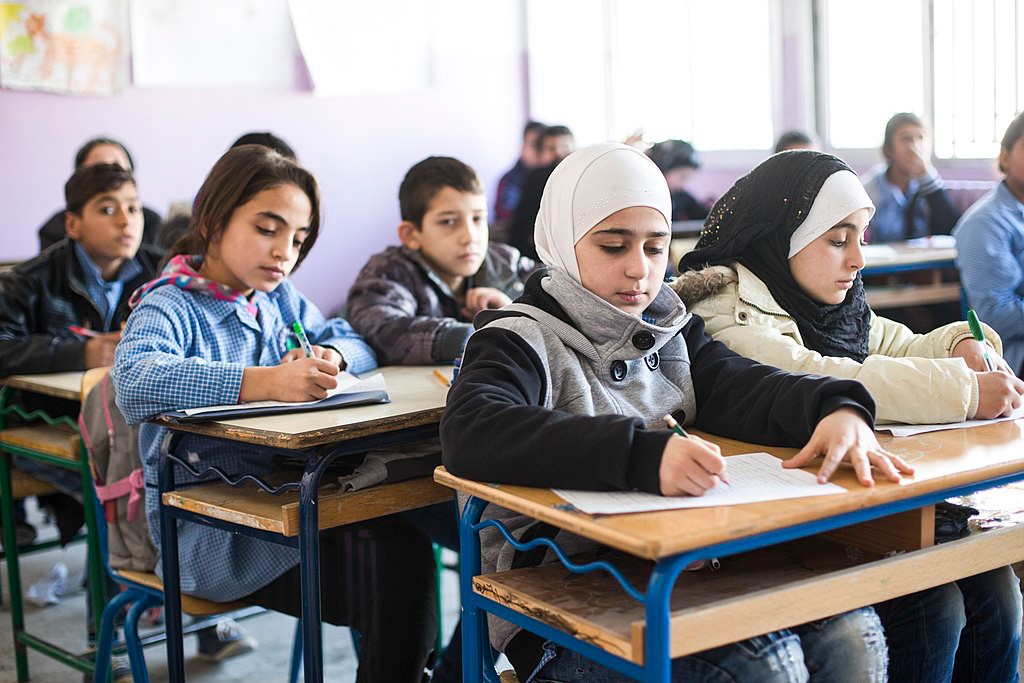
The Impact of Education on Culture
Just as culture shapes education, education also influences society’s culture. There are four primary ways that education impacts culture:
-
Preservation of culture. Education helps safeguard a society’s traditions, values, and practices. Through curriculum, rituals, and formal instruction, a nation ensures that its cultural identity is maintained.
-
Transmission of culture. Education serves as a channel for passing cultural knowledge from one generation to the next. This process ensures continuity and provides younger generations with a shared understanding of their cultural heritage.
-
Development of culture. Education fosters progress by challenging outdated practices and introducing innovative ideas. Schools can foster innovation, critical thinking, and reform, which shape how cultures adapt and grow over time.
-
Continuity of culture. Beyond preservation, education reinforces cultural values, beliefs, and behaviors through repeated exposure in classrooms and institutional practices.
In short, education both mirrors and molds society. It reflects the social, cultural, and political conditions of its time while also serving as a powerful tool for change. Schools are not just centers of knowledge; they are microcosms of society, where culture is preserved, challenged, and reimagined for future generations.

The Impact of Culture on Education
All educational systems aim to prepare citizens who can actively participate in and contribute to their societies. Education is not only about teaching academic subjects; it is also about enculturation, or the process of learning the values, norms, and worldviews of one’s cultural group. For example, a child who observes family members grocery shopping is learning more than just how to purchase food; they are also learning about the importance of healthy eating habits. They are absorbing cultural practices, such as which stores are frequented, which foods are considered staples, how to evaluate quality, and which ingredients are used to prepare favorite family dishes.
In addition to enculturation, education can also involve acculturation. Acculturation occurs when people from one culture adopt aspects of another culture. While not necessary for survival, it often happens because a dominant culture exerts influence over other groups. Acculturation is especially visible among migrants and refugees as they adapt to new environments, but it can also occur within co-cultural and microcultural groups within a dominant society. For instance, international students might adopt new classroom behaviors or communication styles to align with the norms of the host culture’s education system.

History and Education
There is no universal curriculum that all students worldwide follow. Instead, history plays a significant role in shaping both students’ educational experiences and the systems that develop within a culture. For example, during the colonial era, a period marked by extensive national expansion, colonizing nations often imposed their own educational systems on the regions they controlled. These Western-style models of education, initially created under colonial authority, continue to spark debate today. Critics argue that colonial education systems functioned as tools of capitalism, designed to exploit developing nations and maintain subjugation rather than foster independence or local empowerment (Basu, 1989).
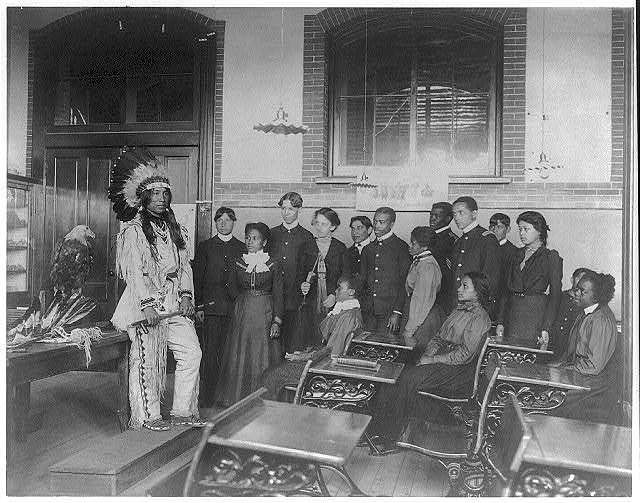
Whether or not a culture has a colonial educational history, education is widely perceived today as a crucial path to advancement. In fact, in an age when a single week’s worth of the New York Times is estimated to contain more information than a person in the 18th century might encounter in a lifetime, most societies place a high value on their education systems (Scott, 2019).
Cultural Dimensions and Education
All education systems aim to prepare citizens who can participate in and contribute to their societies. The ways this is achieved, however, vary depending on cultural values, religious traditions, political structures, and economic stability. Even when teachers and students are unaware of the origins, Confucian, Judeo-Christian, Islamic, and other traditions often shape the worldviews and philosophies underlying educational systems. In contrast, countries facing political or economic instability usually lack the resources to build consistent or adequate systems for their citizens.
Individualism and Collectivism
One of the clearest cultural dimensions influencing education is the distinction between individualism and collectivism.
-
Collectivist systems emphasize structured relationships in which individual needs are secondary to the group’s well-being. Solidarity, harmony, and equal distribution of rewards among students are expected. Modesty is valued, norms reflect the average student, and failure is seen as unfortunate but not catastrophic. Success is understood as tied to family, classmates, and society at large (Rubenstein, 2001; Dimmick & Walker, 2005; Watkins, 2000).
-
Individualist systems place value on loose ties and self-interest. Status and grades are based on individual achievement; competition is encouraged, and the best students set the standards. Failure is perceived as significant, while success is considered the result of personal effort and accomplishment (Rubenstein, 2001; Dimmick & Walker, 2005; Watkins, 2000).
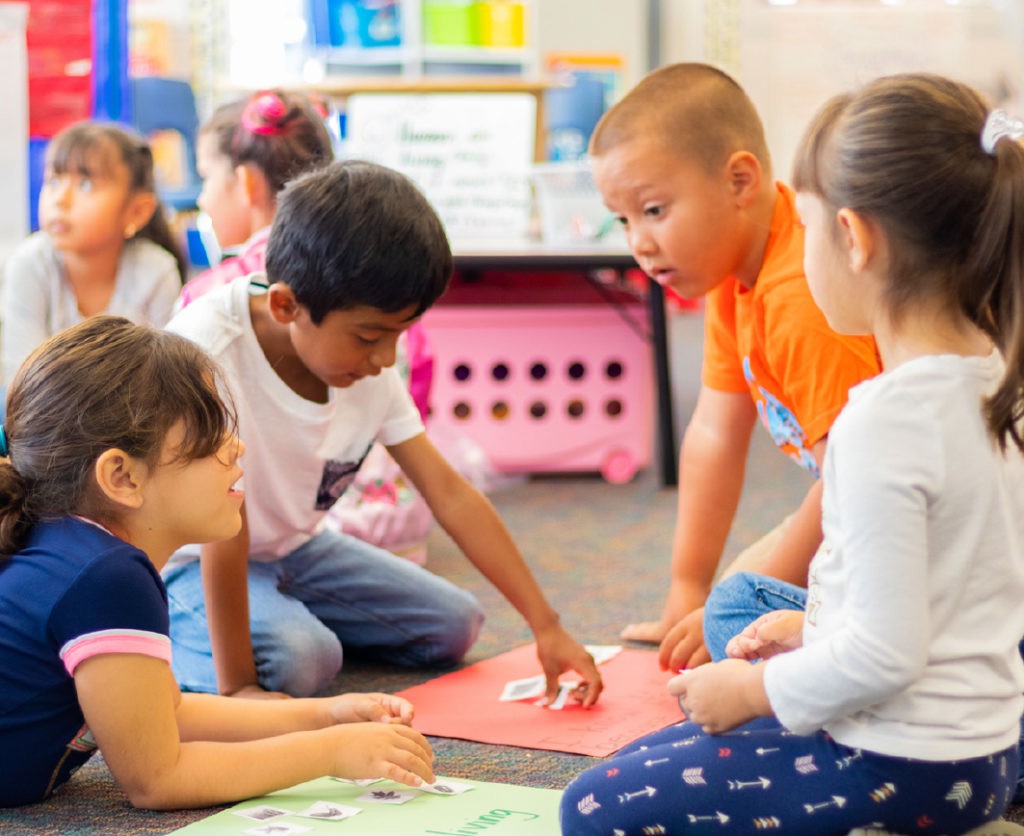
These fundamental values influence everything from the classroom atmosphere to teaching styles and attitudes toward dishonesty and plagiarism. In collectivistic classrooms, for instance, education is viewed as a means of strengthening the country rather than improving the individual. This fundamental premise has implications for the teacher-student relationship: working together is not cheating, but rather a happy by-product of good relations. The collectivistic mentality may also account for the absence of sorting students by ability and the lack of teasing of less gifted students. Fast learners are expected to help slow learners (Ruben-Stein, 2001).
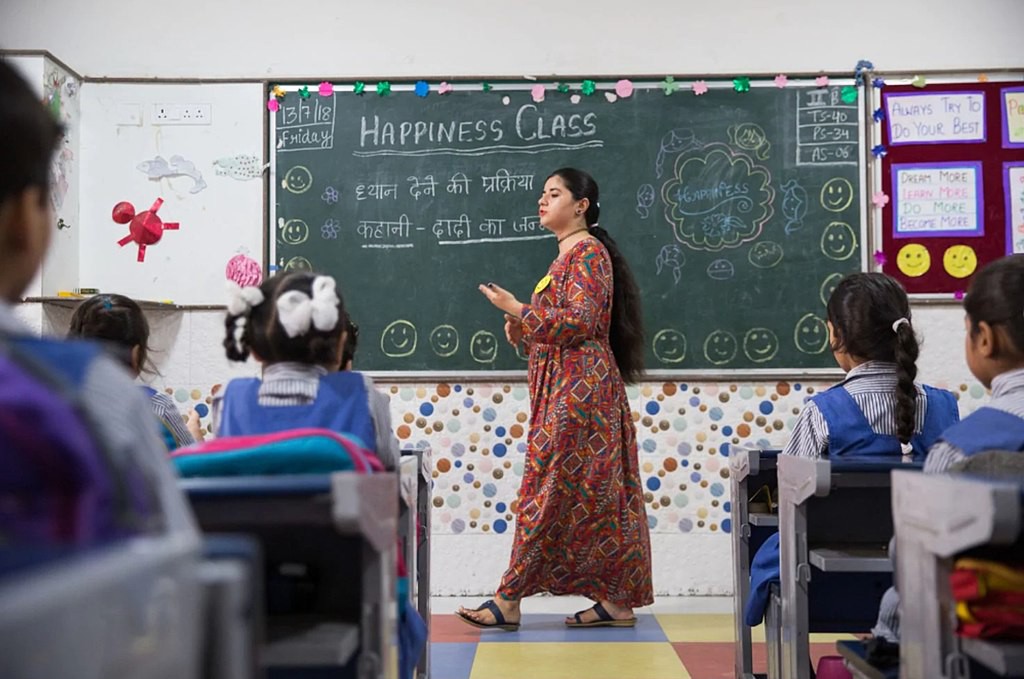
Individualism and Collectivism in Education
In individualistic classrooms, education is often understood as a personal tool for advancement. Students are expected to take responsibility for their own learning, and academic progress is measured through individual assessments, which are reported as individual grades. The primary learning relationship is between the teacher and the student, rather than among classmates. If additional help is needed, students are expected to ask the teacher directly. Schools encourage students to engage actively in discussions and arguments, and independent thinking is considered a key goal of education (Faitar, 2006). Academic tasks are valued for their own sake, so completing one’s work is essential. Peer relationships are secondary, and in some situations, helping others can even be framed as cheating (Rosenberg, Westling, & McLeskey, 2010).
Even concepts of intelligence reflect cultural perspectives. In individualistic cultures, intelligence is often seen as a relatively fixed “gift,” though environmental influences may somewhat shape it. In contrast, collectivistic cultures tend to view intelligence as something that can be developed through effort and persistence rather than an innate trait (Henderson, 1990; Watkins, 2000).
Power Distance in Education
Power distance also appears in educational contexts. High power distance classrooms emphasize expertise, authority, and the importance of social and moral order. Teachers hold greater social prominence, and explicit barriers to information may exist. For instance, some libraries or information systems are accessible only to specific majors or faculty members. In addition, degrees or credentials may be marked with official seals or logos that signal prestige, but only for select graduates. In contrast, low power distance classrooms promote more egalitarian interactions, where students are encouraged to question, collaborate, and view knowledge as more widely accessible.
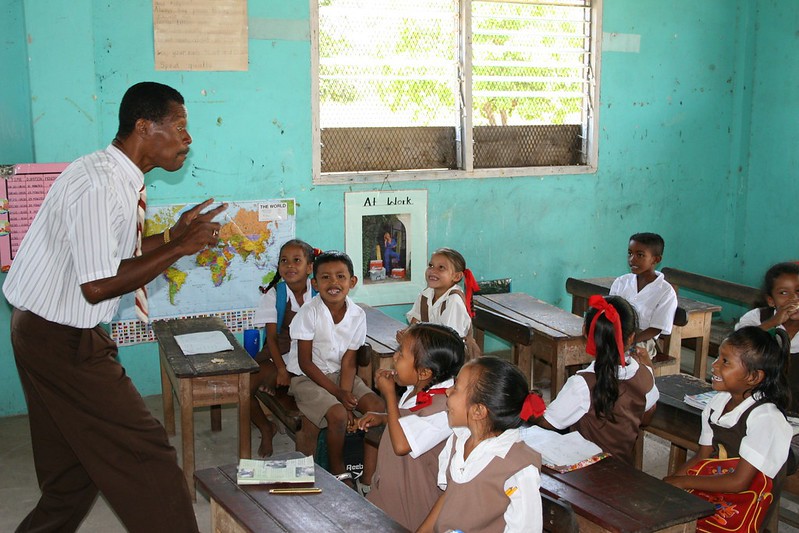
In low-power-distance classrooms, students are expected to take greater responsibility for their own actions and learning. Institutions emphasize student independence and encourage student-driven initiatives. Rather than placing barriers on access to knowledge, restrictions are discouraged, allowing students to explore freely—even if that sometimes means being told directly that they may not yet possess the skills to succeed in their chosen career path. Instructors are viewed more as equals than as unquestioned authorities, and it is acceptable, even expected, for students to engage with, question, and challenge their teachers in respectful ways.
Polychronic and Monochronic Classrooms
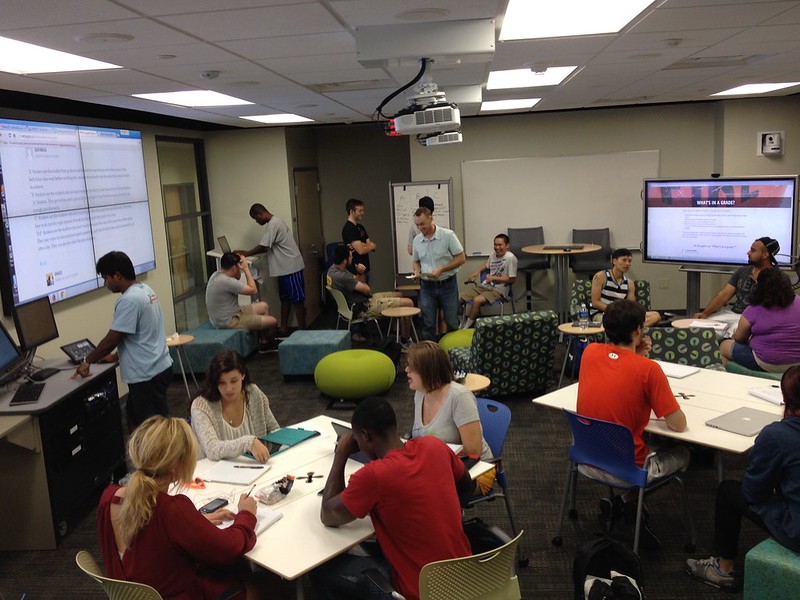
In monochronic classrooms, time is structured and managed carefully, allowing learning to follow a clear, linear path with defined prerequisites and milestones. Goal setting is emphasized, and students are expected to stay on track so that time and opportunities are not wasted. Repetition may be viewed as a lack of progress, and the focus is often on moving forward. The past is considered less important than the future, and students typically expect to see the immediate relevance of a subject to their own goals. In polychronic classrooms, time is viewed more fluidly. Multiple activities may occur at once, and learning may not follow a strict sequence. Relationships and flexibility often take precedence over deadlines or rigid schedules. Revisiting material is not necessarily wasted time but rather part of the ongoing process of learning. Students in polychronic contexts may be less concerned with immediate relevance and more comfortable with long-term development.

Polychronic Classrooms
In polychronic classrooms, time adapts to the situation rather than being dictated by it. Learning is viewed as a continual process, with practice and repetition seen as valuable steps toward mastery. Goals are secondary to the rhythm of the moment, and opportunities to learn are expected to recur, making the past significant because cycles repeat themselves. Patience is required, as the relevance of a lesson may not become clear until later.
Long-Term and Short-Term Orientations
In short-term oriented classrooms, instruction is structured by “clock time.” Classes begin and end promptly, assignments follow specific procedures, and deadlines carry firm consequences. Punctuality and efficiency are emphasized, and out-of-class learning is often restricted to the scheduled plan.
In long-term oriented classrooms, instructional activities continue as long as they remain useful. Improvement is prioritized over strict adherence to deadlines, and procedures are more flexible. The boundary between classroom and out-of-class learning is loose, reflecting an emphasis on ongoing growth rather than immediate results.
Uncertainty Avoidance in Education
Uncertainty avoidance also plays a significant role in education. In high-uncertainty-avoidance classrooms, the emphasis is on error prevention. Lessons are simplified, smaller amounts of information are introduced at a time, and choices are limited. Clear assessment rubrics are provided to reduce ambiguity and guide student performance.
In low-uncertainty-avoidance classrooms, learning involves navigating complexity. Assignments are designed to encourage exploration, choice, and critical thinking through problem-solving. Students are given abundant reading materials and resources, and instructors create opportunities for meaningful, self-directed learning rather than shielding them from mistakes.
Masculinity and Femininity in Education
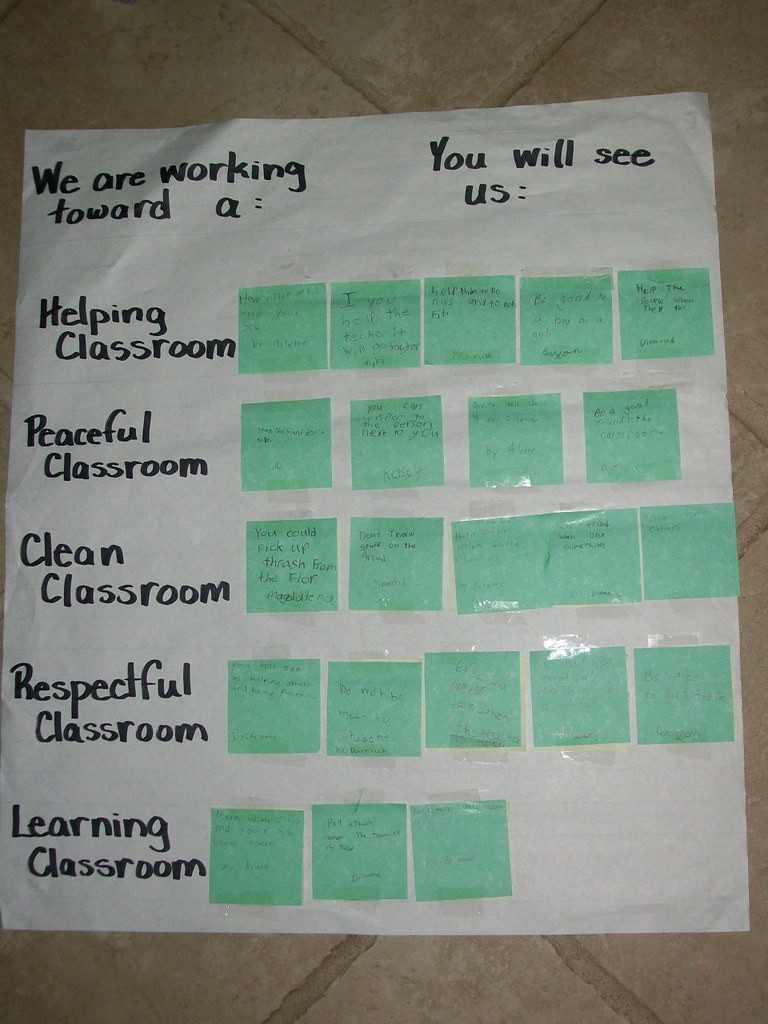
In feminine-oriented classrooms, the average student is used as the benchmark. Teachers often avoid singling out students with praise, and rewards are given more for cooperation, empathy, and social skills than for individual intelligence or performance. Failure is not viewed as life-defining, but rather as a regular part of the learning process. Students tend to select majors based on personal interest and intrinsic motivation.
In masculine-oriented classrooms, the highest-achieving students are held up as the norm. Teachers frequently praise and reward top performance, and competition is encouraged. Failure can be perceived as life-altering, creating intense pressure to excel. Students are more likely to choose majors based on career opportunities, prestige, or economic outcomes rather than personal preference.
Different Approaches to Knowing
Beyond Hofstede’s dimensions, scholars are increasingly interested in how cultures approach knowledge itself. This is sometimes referred to as extended epistemology or multiple ways of knowing (Carter et al., 2018). Broadly, knowledge can be gained through empiricism (observation and measurement), rationalism (logic and reasoning), authority (trust in experts or traditions), or revelation (insight, intuition, or spiritual experience).
European and Western-influenced cultures tend to emphasize empiricism and rationalism; methods such as counting, measuring, and applying the scientific method are seen as more valid than other approaches. In contrast, some cultures value symbolic imagery, rhythm, transcendence, or storytelling as equally legitimate ways of knowing. These cultural differences influence the structure of learning, the validation of knowledge, and the approach to problem-solving in educational contexts.
Practical Applications
Researchers continue to examine customs and practices across cultures to gain a deeper understanding of how people teach and learn. Communication behavior and expectations in the classroom are deeply rooted in culture, and what happens in educational settings often mirrors the values of the dominant culture (Evertson & Randolph, 1995; Hofstede, 1980, 2005).
Many studies across different societies have attempted to measure teaching and learning styles. While some debate exists about whether such comparisons are best applied at the cultural or individual level, there is strong evidence that cultural socialization influences how people process and act on information. In this way, culture not only shapes how individuals learn but also influences how they perceive effective teaching.
Teaching Styles
Educators generally fall into two broad categories of teaching: teacher-centered or student-centered (Prosser & Trigwell, 2010).
-
Student-centered strategies emphasize independent thinking, critical inquiry, and individual needs. In these classrooms, students are encouraged to ask questions, express opinions, engage in discussion, and view criticism as a tool for growth (Faitar, 2006). The teacher’s role is more that of a facilitator, guiding students toward a deeper understanding.
-
Teacher-centered strategies position the teacher as the primary authority. Knowledge flows from the expert to the learner, with emphasis on conformity, structure, and group needs (Staub & Stern, 2002). Students from teacher-centered backgrounds may find student-centered classrooms confusing or even uncomfortable, sometimes interpreting informality as a lack of preparation or professionalism (McGroarty & Scott, 1993).

Student–Teacher Relationships
Cultural values also shape how teachers and students view one another. In individualistic settings, the teacher’s primary role is to share ideas, provide opportunities for practice, and support students in developing their own knowledge and skills. By contrast, in collectivistic settings, the teacher is seen as a moral guide, mentor, or even a parent-like figure whose knowledge carries weight and whose instruction students are duty-bound to respect (Husen & Postlethwaite, 1991).
Cortazzi and Jinn (1998) compared British and Chinese classrooms and found key differences in teacher–student relationships. In Britain, being a “good student” typically means obeying and paying attention to the teacher, while in China, such behavior is assumed of all students. As a result, Chinese teachers devote far less time to discipline, as attentiveness is taken for granted. Other countries offer different examples of how culture shapes student–teacher relationships. In Norway and Russia, students often spend their first five or six years with the same teacher, creating a long-term, almost familial bond between teacher and pupils (Cogan et al., 2001).
Learning Styles
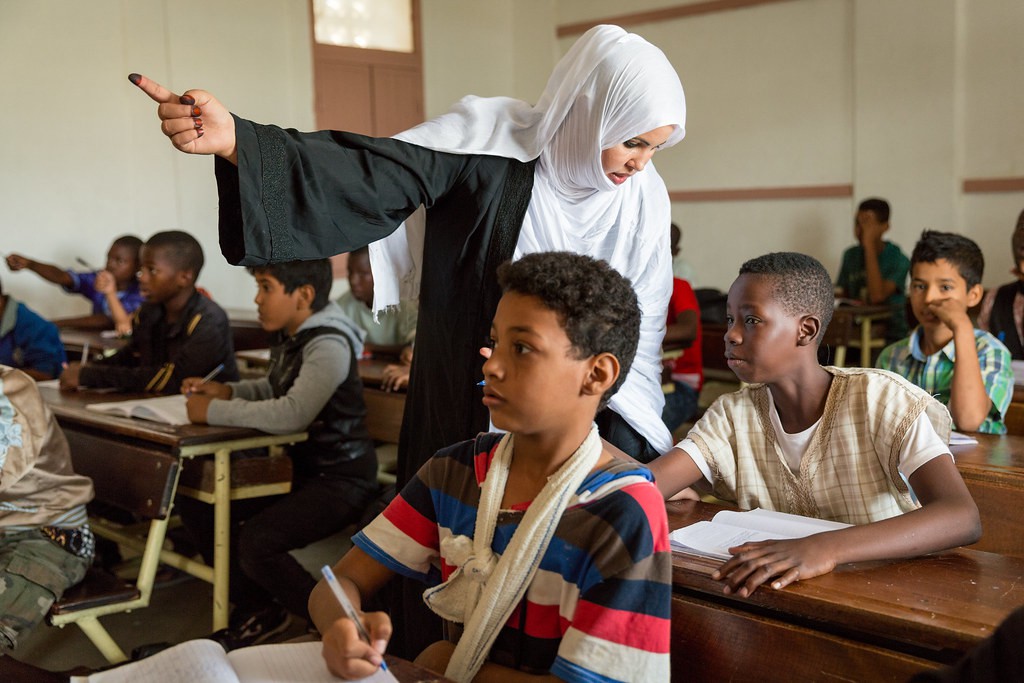
Learning styles refer not only to how students prefer to learn, but also to how they communicate while learning. Cultural differences can strongly influence these styles. For example, in the United States, direct eye contact is often interpreted as a sign of honesty, confidence, and engagement. A lack of eye contact, on the other hand, may be seen as disinterest or even dishonesty. Teachers in U.S. classrooms may therefore encourage or expect students to “look them in the eye” when speaking.
In contrast, in many Asian cultures, sustained eye contact with a teacher or elder can be viewed as disrespectful. Students may avoid eye contact as a sign of humility or deference, not as a sign of disengagement. Educators working across cultural boundaries must be aware that behaviors associated with “good learning” in one culture may be interpreted very differently in another.
Learning Styles and Classroom Practices
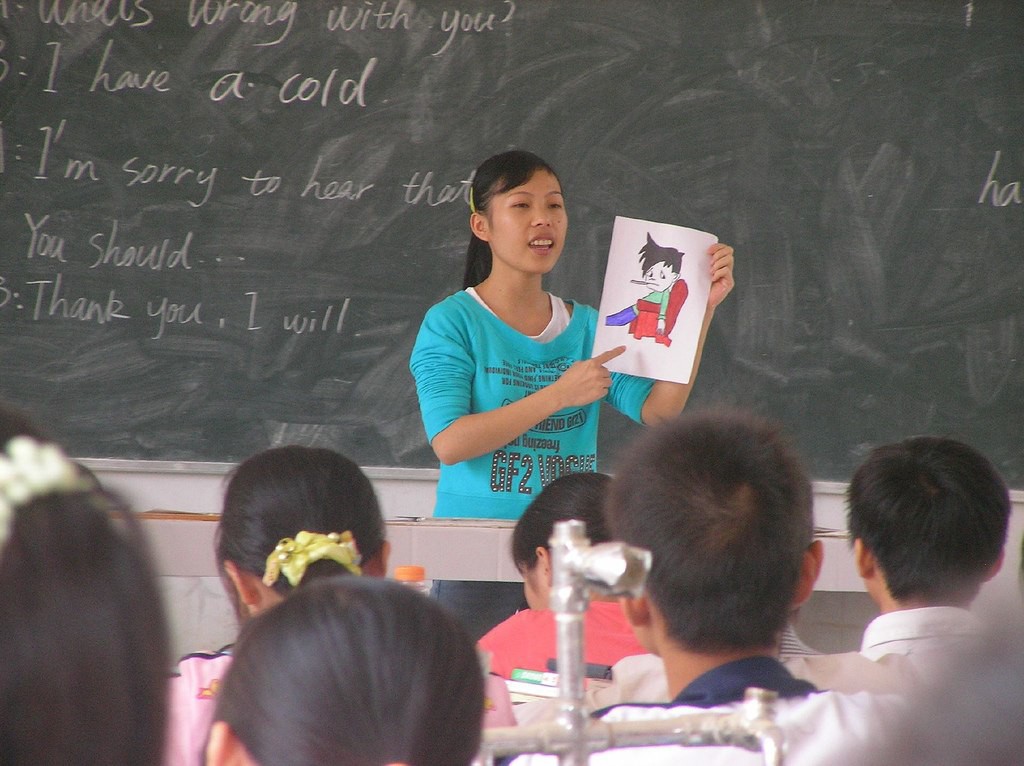
In some cultures, students are taught primarily through modeling and observation, rather than through questioning and dialogue. As a result, students may not be familiar with active listening as a tool for understanding ideas or instructions. In these classrooms, asking questions can be interpreted as a sign that the teacher did not teach effectively, and may therefore be perceived as impolite or a challenge to the teacher’s authority. In other contexts, debate or discussion is not recognized as a learning strategy. Challenging teachers or authority figures may be perceived as disrespectful, and discussion-based activities may not even be included in the curriculum. Even when discussions are a standard part of the classroom, the unwritten rules governing them vary widely. In the United States, students may be expected to take turns, interrupt briefly, or fill silences quickly. In other cultures, silence may be encouraged, interruptions may be frowned upon, or smiling during disagreements may be expected to preserve harmony and avoid offending those in authority.
Group work also carries different meanings across cultures. In the United States, instructors often divide classes into pairs or small groups to complete tasks or engage in dialogue, a practice educational scholar Watkins (2000) refers to as simultaneous pupil talk. In contrast, Chinese classrooms are more likely to use sequential pupil talk, in which two students speak while the rest of the class listens and reflects. Because collaboration is defined differently across cultural settings, what may seem like helpful group support in one context could be perceived as “cheating” in another.
Assessment practices further illustrate cultural differences in education. In the United States, multiple-choice tests are standard, but in many other countries, students are accustomed to high-stakes, essay-based, or oral examinations. Expectations around grading can also reflect power distance. In high-power-distance cultures, instructors are often viewed as unquestionable authorities whose decisions regarding grades are considered final. In lower power distance cultures, students may feel freer to question grades or request clarification, viewing instructors as approachable.
Attitudes toward plagiarism also differ significantly. In Western educational systems, plagiarism is defined as using another’s words or ideas without proper attribution. However, in some cultures, memorizing and reproducing passages from respected scholars is considered a legitimate educational practice. In these contexts, quoting without citation is not seen as dishonest but rather as a sign of respect for established authority.

In cultures where interdependence is highly valued, helping classmates may be considered more important than competing with them. Reporting a classmate for cheating could even be seen as a greater ethical violation than the cheating itself, because it disrupts group solidarity. In such settings, maintaining a family reputation, securing a scholarship, or even negotiating grades may be viewed as appropriate strategies to ensure collective success. Grading systems also vary widely, making the meaning of a “grade” highly context-dependent. In the Chinese university system, final grades are typically based on a single exam, leaving little room for concerns about plagiarism because there are few written assignments.
In Japan, final grades are usually determined by a midterm and a final exam, and regulations regarding plagiarism are limited. In Nepal, students are not required to attend classes; instead, they can take the national exam directly. India emphasizes attendance and prohibits plagiarism, but students often negotiate with professors about grades. Similarly, Iranian universities enforce plagiarism policies; however, cultural norms may permit gift-giving as a means of earning extra credit (Smith et al., 2013). In contrast, the United States places heavy emphasis on attendance, participation, and ongoing assignments throughout the semester. Grades are only one factor considered in college or job applications. In other parts of the world, however, grades earned in early education, even preschool, can determine whether a student will eventually have the opportunity to attend university.
Conclusion
Education is one of the most enduring institutions across societies, shaping individuals and reflecting the cultural values of a given society. As explored in this chapter, education both preserves and transmits culture while also developing and adapting it to changing times. The reciprocal nature of culture and education profoundly impacts our childhood experiences, influencing how we see the world and who we ultimately become.
Healthcare Across Cultures
The Human Genome Project (1990–2003) identified approximately 20,000 to 25,000 genes in human DNA, enabling scientists to address medical problems more efficiently than ever before. But no genetic study can explain how culture affects healthcare. While biology influences disease, communication determines care. A doctor’s words, or a patient’s silence, can directly affect trust, diagnosis, and recovery. In most contexts, effective intercultural communication can increase opportunity or collaboration. In healthcare, it can determine whether a patient receives proper treatment, or any treatment at all (Voelker, 1995).
Patient Diversity and Communication Challenges
The United States is one of the most culturally and linguistically diverse nations in the world. Physicians and nurses regularly treat patients whose languages, belief systems, and health practices differ from their own. These differences can lead to misunderstandings, unequal access, and unintended harm.
are among the most common challenges. Medical terminology is highly specialized; terms like thrombosis or hypertension may be familiar to providers but confusing to patients. Even shorthand such as “BP” for blood pressure or “NPO” (meaning “nothing by mouth”) can alienate people who are unfamiliar with the code.
Roughly one in five U.S. residents speaks a language other than English at home, and millions report limited English proficiency (Centers for Medicare & Medicaid [CMS], 2022). Without qualified interpreters, patients may rely on relatives or friends to translate complex diagnoses, which can lead to misinformation or dangerous mistakes. Informed consent, the legal right to understand and agree to treatment, depends on accurate, culturally competent translation. Cultural assumptions also affect how symptoms are described. For example, some cultures downplay expressions of pain to show endurance, while others express pain more openly. Misreading these cues can lead providers to underestimate a patient’s suffering or misjudge their condition (Lee et al., 1992).

Historical and Structural Barriers
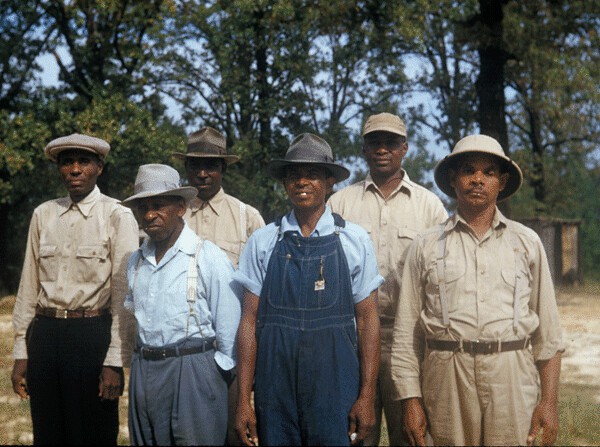
Cultural mistrust in healthcare does not arise in a vacuum. History offers painful examples of unethical research and exploitation that still shape attitudes today. During World War II, Nazi physician Josef Mengele conducted cruel experiments on Holocaust prisoners. Japan’s Unit 731 tested biological weapons on Chinese civilians. In the United States, the Tuskegee Syphilis Study (1932–1972) denied treatment to African American men so researchers could observe the disease’s effects.
At the same time, U.S. officials conducted similar experiments on prisoners in Guatemala (Reverby, 2011). These events, and others, left deep scars on collective memory. For many communities, skepticism toward medical institutions is not paranoia; it is a form of protection. Healthcare professionals must recognize this history and approach patients with humility and respect, not defensiveness.
Cultural Models of Health
Health itself is a cultural concept. Culture influences how people define illness, what causes it, and who is responsible for healing. Two dominant worldviews often described in intercultural healthcare are Western medicine and Eastern medicine, although both terms oversimplify the rich traditions they represent.
-
Western (Biomedical) Model: Views the body as a system that can be analyzed, repaired, and optimized through science. Illness is an enemy to be cured. Efficiency and evidence-based procedures are emphasized.
-
Eastern (Biopsychosocial) Model: Sees illness as an imbalance among physical, emotional, and environmental forces. Healing focuses on restoring harmony over time, through relationships, and through holistic care.
While Western medicine focuses on physical symptoms, the biopsychosocial model includes emotional and social well-being. Both approaches have value and reveal cultural priorities regarding time, logic, and the nature of care (Todd, 1999).
Alternative and Traditional Healing
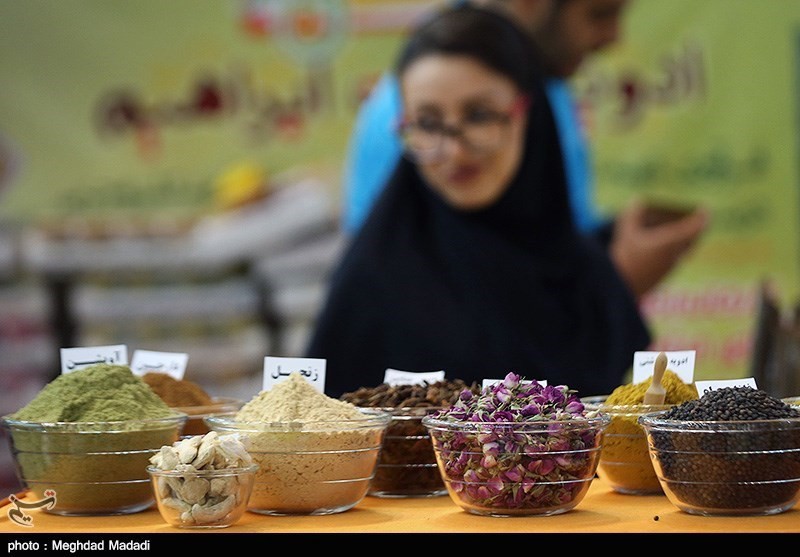
Many patients combine biomedical treatment with traditional or alternative medicine. These practices may involve mind–body approaches (meditation, prayer, support groups), biological remedies (herbal therapy, supplements), body-based techniques (massage, chiropractic care), or energy medicine (acupuncture, Reiki). From sweat lodges to cupping, these approaches connect healing to cultural heritage and spiritual meaning. Culturally aware providers do not need to practice these methods, but they should be open to understanding them. Asking, “Are you using any traditional treatments right now?” can open dialogue and improve care coordination.

Religion, Spirituality, and Healthcare
When illness disrupts life, many people turn to faith for comfort and guidance. Religious beliefs can influence nearly every aspect of healthcare, from dietary choices and modesty requirements to pain management and end-of-life care. For example, Muslim patients may prefer same-gender providers, Jewish or Hindu patients may observe nutritional restrictions, and Jehovah’s Witnesses may refuse blood transfusions. Healthcare professionals who ask respectful questions demonstrate both competence and compassion.
Helpful questions include:
-
“Is there anything about your beliefs that I should know to care for you better?”
-
“Do you have any dietary or modesty needs we should consider?”
-
“Would you like me to include your family or faith community in discussions?”
By integrating spiritual care when appropriate, providers acknowledge the whole person—not just the body (Agency for Healthcare Research and Quality [AHRQ], 2015).

Power and Ethics in Healthcare
Healthcare settings inherently involve power imbalances. Providers possess specialized knowledge and institutional authority; patients depend on them for access and interpretation. When communication falters, these imbalances widen. In the U.S., healthcare is also a massive industry. Insurance systems and cost structures determine who receives treatment, how long it lasts, and at what price. For patients from countries with public healthcare, this system can feel confusing or unjust. Ethical committees often help navigate complex cases, deciding, for example, how to allocate resources or whether to prolong life in terminal conditions (Aulisio, 2016).
Globally, ethical norms differ. Debates over euthanasia, abortion, and end-of-life decisions reveal how cultural and religious values shape medical ethics. What one culture views as autonomy, another may see as disrespect or moral failure. Cultural humility helps practitioners approach these dilemmas with sensitivity rather than assumptions.

Information Sharing and Cultural Identity
Different cultures hold distinct beliefs about who should receive medical information.
-
In individualistic societies, information is shared directly with the patient.
-
In collectivistic cultures, families may expect to make decisions together or shield the patient from distressing news.
Healthcare professionals must balance legal obligations, such as informed consent, with cultural expectations for family involvement. The goal is not to impose one model, but to communicate transparently while respecting cultural values. Identity also shapes communication. The Communication Theory of Identity (Hecht, 2009) explains that people express their identity through personal, relational, enacted, and communal frames. A provider who acknowledges a patient’s identity—by pronouncing their name correctly, recognizing their traditions, and showing respect—fosters trust. A provider who ignores or minimizes it risks alienation.
Case Check: “I Didn’t Feel Heard”
A patient leaves a healthcare appointment confused and hesitant to ask questions. The provider believes they explained everything clearly. The patient does not return for follow-up care.
Reflection Questions
-
Why are intercultural misunderstandings high-risk in this context?
-
How do power and trust shape communication?
-
What strategies support ethical, patient-centered care?
Cultural Diversity in Everyday Contexts
Cultural diversity affects communication in everyday interactions, including workplaces, classrooms, families, and interpersonal relationships. Differences in communication styles, expectations, and norms can influence collaboration, conflict, trust, and relationship-building. When cultural differences are misunderstood or ignored, miscommunication and frustration can occur. When they are acknowledged and respected, cultural diversity can enhance creativity, learning, and mutual understanding across a range of social contexts.
Conclusion
Intercultural communication in healthcare is not simply about language; it’s about humanity. Patients bring with them stories, values, and histories that shape their experience of illness and healing. Providers bring systems, science, and responsibility. Where these worlds meet, communication determines whether care succeeds or fails. By approaching healthcare with cultural awareness, empathy, and humility, professionals can transform clinical interactions into acts of respect and connection, proving that effective communication itself can be a form of medicine.
Key Terms
- Acculturation
- Alternative Medicine
- Biopsychosocial Model
- Biomedical Model
- Cultural Competence
- Cultural Humility
- Educational Equity
- Ethical Relativism
- Health Disparities
- Informed Consent
- Intercultural Competence
- Language Accessibility
- Learning Styles
- Power Distance
- Student-Centered Learning
- Systemic Inequality
- Traditional Knowledge
- Universal Design for Learning (UDL)
- Western Medicine
- Medical Terminology
- Prejudicial Ideology
- Strict Paternalism
- Benevolent Deception
- Contractual Honesty
- Unmitigated Honesty
- Communication Theory of Identity
- Identity Salience
- Identity Intensity
Reflection Questions
- How do your own cultural background and experiences influence your perceptions of “good teaching” or “good healthcare”?
- Think of a time when you or someone you know faced a communication challenge in a medical or educational setting. What cultural factors were at play?
- How might power distance affect communication between a doctor and patient, or between a teacher and student, from different cultural backgrounds?
- In what ways do both education and healthcare systems reflect the values of the societies in which they exist? Provide examples.
- How does cultural humility differ from cultural competence? Why might both be important for teachers and healthcare professionals?
- Consider a cultural practice or belief that shapes health or learning in a way unfamiliar to you. How would you approach it as a professional seeking mutual respect?
- What ethical dilemmas might arise when cultural beliefs about medicine, gender, or authority conflict with institutional policies or laws?
References
- Adair, W., Taylor, M., & Tinsley, C. (2009). Starting on the Right Foot: Negotiation Schemas When Cultures Collide. Negotiation and Conflict Management Research, 2(2), 138–163. https://doi.org/10.1111/j.1750-4716.2009.00036.x
- Agency for Healthcare Research and Quality. (2015). Improving cultural competence in healthcare systems. U.S. Department of Health and Human Services. https://www.ahrq.gov
- Aulisio, M. P. (2016). Ethics committees: Historical development and current roles. The Journal of Clinical Ethics, 27(1), 3–12.
- Banks, J. A., & Banks, C. A. M. (2019). Multicultural education: Issues and perspectives (10th ed.). Wiley.
- Basu, A. (1989). Colonial Education and the Shaping of Modern India. Oxford University Press.
- Centers for Medicare & Medicaid. (2022). Data snapshot: Language access and health equity. U.S. Department of Health and Human Services.
- Chen, G.-M. (2012). The impact of new media on intercultural communication in global context. China Media Research, 8(2), 1–10.
- Cogan, J. J., Morris, P., & Print, M. (2001). Civic education in the Asia-Pacific region: Case studies across six societies. Routledge.
- Cortazzi, M., & Jin, L. (1998). Cultural mirrors: Materials and methods in the EFL classroom. In M. Byram & M. Fleming (Eds.), Language learning in intercultural perspective (pp. 196–219). Cambridge University Press.
- Dimnick, F., & Walker, D. (2005). The development of academic achievement: A cultural perspective. Educational Psychology, 25(1), 3–12. https://doi.org/10.1080/0144341042000294861
- Evertson, C. M., & Randolph, C. H. (1995). Classroom management for elementary teachers. Allyn & Bacon.
- Faitar, G. M. (2006). Understanding cultural differences in the educational setting: A cultural history approach. Education, 127(2), 234–241.
- Freire, P. (2000). Pedagogy of the oppressed. Bloomsbury Academic.
- Gay, G. (2018). Culturally responsive teaching: Theory, research, and practice (3rd ed.). Teachers College Press.
- Hecht, M. L. (2009). Communication theory of identity: Development, theoretical perspective, and future directions. In W. B. Gudykunst & B. Mody (Eds.), Handbook of international and intercultural communication (2nd ed., pp. 257–278). SAGE Publications.
- Henderson, J. (1990). Cultural contexts of learning. Prentice Hall.
- Hofstede, G. (1980). Culture’s consequences: International differences in work-related values. Sage.
- Hofstede, G. (2005). Cultures and organizations: Software of the mind (2nd ed.). McGraw-Hill.
- Husen, T., & Postlethwaite, T. N. (1991). The international encyclopedia of education. Pergamon Press.
- Lee, R., Zola, I., & Misra, S. (1992). Cultural variations in reporting pain: Implications for cross-cultural healthcare. Social Science & Medicine, 34(8), 1001–1010.
- Lustig, M. W., & Koester, J. (2020). Intercultural competence: Interpersonal communication across cultures (9th ed.). Pearson.
- McGroarty, M., & Scott, M. (1993). Cognitive and affective outcomes of foreign language study. Language, Culture and Curriculum, 6(1), 3–20. https://doi.org/10.1080/07908319309525191
- Prosser, M., & Trigwell, K. (2010). Understanding learning and teaching: The experience in higher education. Open University Press.
- Reverby, S. M. (2011). “Normal exposure” and inoculation syphilis: A PHS “Tuskegee” doctor in Guatemala, 1946–1948. Journal of Policy History, 23(1), 6–28.
- Rosenberg, M. S., Westling, D. L., & McLeskey, J. (2010). Special education for today’s teachers: An introduction. Pearson.
- Rubenstein, R. (2001). Education and cultural values. Comparative Education Review, 45(3), 397–412.
- Scott, J. (2019). Education and information in the digital age. The New York Times. Retrieved August 4, 2019, from https://www.nytimes.com
- Smith, A., Kawashima, K., & Rahimi, M. (2013). Plagiarism, culture, and the academy. Journal of Academic Ethics, 11(1), 1–15. https://doi.org/10.1007/s10805-013-9176-0
- Staub, F. C., & Stern, E. (2002). The nature of teachers’ pedagogical content beliefs matters for students’ achievement gains: Quasi-experimental evidence from elementary mathematics. Journal of Educational Psychology, 94(2), 344–355.
- Todd, T. (1999). The biomedical and biopsychosocial models in medical practice: Cultural perspectives. Health Communication Quarterly, 12(4), 205–218.
- Voelker, R. (1995). Communication is key to healthcare quality. JAMA, 273(13), 1025–1030.
- Watkins, D. (2000). Learning and teaching: A cross-cultural perspective. School Leadership & Management, 20(2), 161–173. https://doi.org/10.1080/13632430050011407
The process by which people acquire the values, norms, and worldviews of their cultural group.
The process by which people from one culture adopt practices from another culture that is not their own. Acculturation begins when two cultures meet.
Is a social organization in which individuals are seen as subordinate to the group.
Refers to people’s tendency to take care of themselves and value individual accomplishments.
Cultures that put more emphasis on the importance of relationships, loyalty, and working together.
Education is seen as a tool for getting ahead, and students are responsible for their own learning.
Focus on expertise, authority, and the importance of social and moral order.
Classrooms that follow the principles of low power distance.
View time as something to be managed so learning proceeds along a linear path with clear prerequisites and milestones.
Learning is seen as the practice needed to reach perfection, so goals are secondary as one adapts to the situation.
When instructional activities start and stop promptly according to “clock time.”
Instructional activities scaffold or build upon one another.
Tend to focus on error prevention, so smaller amounts of information are given with choices being limited.
Students are required to take much more responsibility for their own actions and learning.
Other ways of developing knowledge.
Knowledge that is always transferred from an expert to a learner, with conformity and group needs as a focus.
Encouraging students to become independent thinkers, focusing on individual needs, being assertive and expressing opinions, criticism as a strategy for improvement, and trying to bring about conceptual change in students’ understanding of the world.
Focuses on using the mind to influence the body.
Refers to the use of products and practices found in nature.
Refers to the use of massage or chiropractic manipulation to promote health.
Could include acupuncture, Reiki, and certain types of massage.
People make assumptions about each other based on their backgrounds.